
 en
 fr
 pt
 de
 ru
 it
 es


Victory over the ten heads
Dussehra: Burn the old, start the new
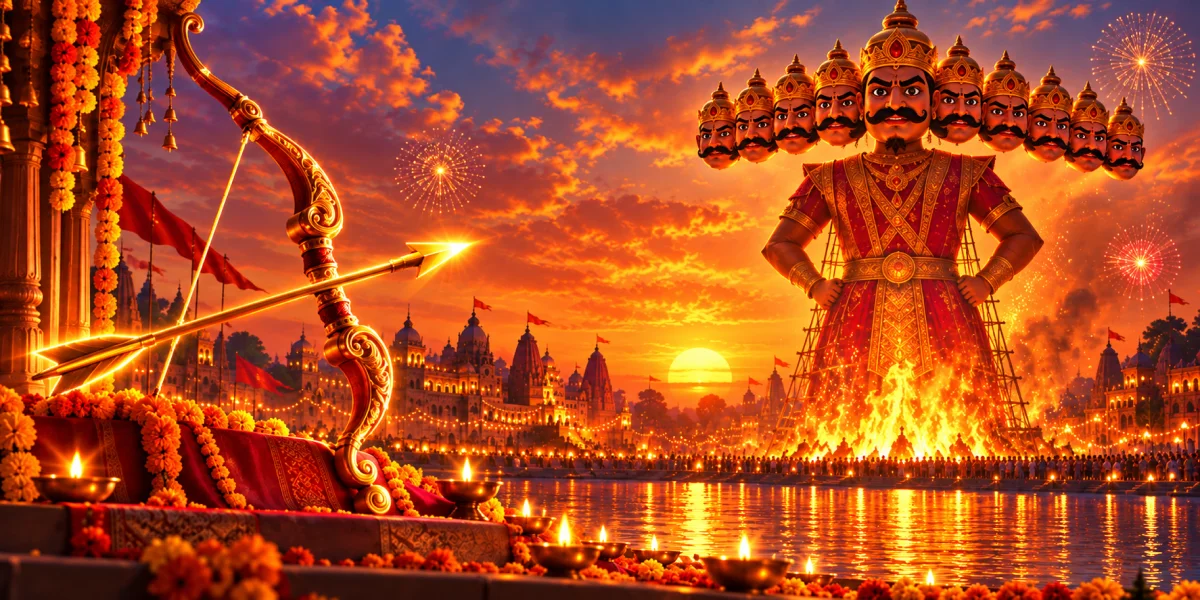
Somewhere today, a giant effigy of a ten-headed demon is about to go up in flames.
No, this isn't a metaphor. It's Dussehra — one of India's biggest festivals, and the whole point is good beating evil, loudly.
Boost your mining

Boost your mining
What's being celebrated
Dussehra, also called Vijayadashami, falls on October 20 this year — the tenth day after Navratri.
The name is often traced to Dasha-hara, "the removal of ten heads".
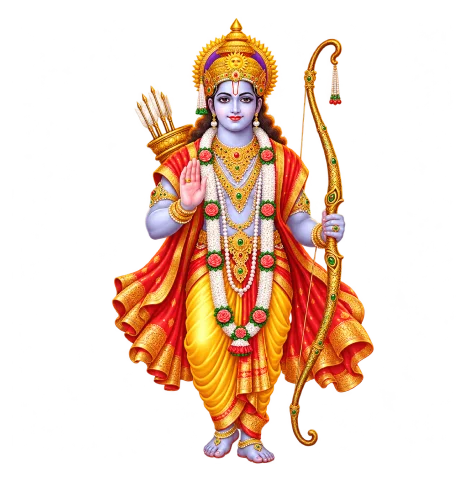
Rama
According to the Ramayana, on this day Lord Rama defeats the ten-headed demon king Ravana, after Ravana kidnaps his wife, Sita
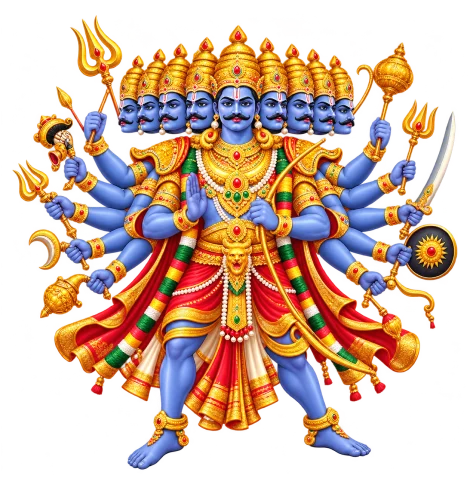
Ravana
Ravana wasn't a cartoon villain — tradition paints him as brilliant, devoted to Shiva. His downfall wasn't a lack of ability, but his ego
In much of eastern and southern India, the same day marks Goddess Durga's defeat of the buffalo-demon Mahishasura — different battle, same message.
The giant burning effigy part
Across India, the day ends with towering effigies of Ravana — sometimes three stories tall — going up in flames, fireworks included.
Less "villain gets what's coming," more "an entire ego, torched in public." Ravana's ten heads are traditionally read as ten human flaws worth leaving behind. Efficient, as moral lessons go.




 Free access
 Basic speed: 300 H/s

 No ads
 Multiple user profiles
 Secure public Wi-Fi
